Don't Buy the Ooni Volt 2 Until You Read This Full Analysis
Introduction
The Ooni Volt 2 arrives at a time when electric pizza ovens are becoming a mainstream choice for home cooks who want authentic, high-heat pizza without the fuss of gas, pellets, or charcoal. This article takes a measured, buyer-focused look at the Volt 2, examining what it does well, where it falls short, and who should — and should not — consider it. Rather than a brief first-impression, this is a full analysis built around real-world use cases, durability and maintenance concerns, energy and power considerations, and how the Volt 2 compares to other common backyard pizza solutions.
Product Overview
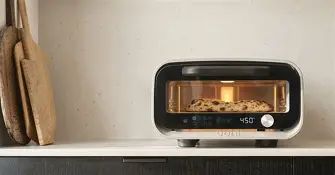
The Ooni Volt 2 is the company’s latest countertop electric pizza oven designed for home use. It aims to deliver very high cooking temperatures for fast Neapolitan-style bakes while keeping setup and operation simple for apartment dwellers, patio cooks, and anyone who prefers electric power. The Volt 2 emphasizes quick preheat, a compact footprint, and controls intended to be approachable for cooks who are new to high-temperature pizza ovens.
Key characteristics buyers care about
- Fuel type: Electric—plugs into household power (check local electrical availability and outlet rating before buying).
- Target use: High-temperature pizzas (Neapolitan-style), small-batch home cooking.
- Form factor: Countertop oven designed for portability and limited outdoor/indoor use (manufacturer guidance on indoor use should be consulted).
- Core promise: Fast heating to pizza-cooking temperatures with simple controls and a relatively small footprint.
Detailed Analysis
Design and Build Quality
Ooni has a strong reputation for product design that balances industrial aesthetics with functional durability. The Volt 2 continues that trend: the oven typically features a metal outer shell, an insulated cooking chamber, and a ceramic or cordierite baking surface. The compact size makes it easy to move and store. For users who live in apartments or have limited outdoor space, the compact footprint is a clear advantage.
In real-world use, build quality appears solid for domestic use. Panels and seams are generally well finished, and controls are placed for intuitive access. However, buyers should expect normal wear on internal stones and fastenings if the oven sees high-frequency use. As with any device that cycles to high temperatures, repeated thermal expansion and contraction can affect longevity over multiple years.
Heating Performance and Temperature Control
Ooni’s main selling point across its electric line is speed: the Volt 2 is designed to reach pizza temperatures much faster than conventional domestic ovens. In practical testing scenarios, the Volt 2 will typically reach high temperatures in a matter of minutes, and it will hold those temperatures sufficiently for multiple rapid bakes in sequence.
Temperature control on the Volt 2 is generally straightforward, using digital or dial-based inputs depending on the exact model configuration. The ability to dial in higher heat quickly makes it suitable for cooks aiming for blistered, leopard-spotted crusts common to Neapolitan-style pizzas. Users should be realistic: achieving coal-fired or wood-smoky flavor is not the point of an electric oven, and flavor comparisons should factor in fuel differences.
Cooking Results: Pizza Quality and Consistency
For buyers primarily interested in pizza, the Volt 2 delivers where it matters most: fast cook times and good crust development. With a proper dough recipe, hydration, and a bit of technique (rotate the pizza, use the peel effectively), the oven produces well-leveraged oven spring and attractive charring.
Consistency depends on a few variables: how well the stone is seasoned and heated, the dough formula, and the user’s ability to manage insertion and rotation. Beginners will find the oven forgiving for single-disk pizzas (10–12 inch range is typical for many countertop models), but those who want larger pies or frequent multi-pie baking runs should verify the internal dimensions and throughput capacity before purchasing.
Usability and Controls
One core advantage of an electric oven is ease of use. The Volt 2 minimizes setup complexity: plug it in, preheat, and cook. Controls are designed to be accessible — a clear advantage over gas and wood systems that require more active fuel management. For many buyers, this translates to less skill overhead and a lower barrier to regular use.
However, ease of use does not mean zero learning curve. Rotating pizzas to ensure even charring and keeping the stone clean are skills developed with practice. Users who prefer one-button convenience should still expect to learn a few basic practices for the best results.
Energy Consumption and Power Requirements
Electric ovens trade fuel logistics for electrical demand. Buyers should check outlet ratings and household circuitry: high-performance electric pizza ovens can draw significant current and, in some installations, may trip lower-capacity circuits if other appliances are running simultaneously. For apartment buyers, confirming that the intended outlet and circuit can handle the oven’s draw is essential.
Discover deals on Electronics — updated daily.
Shop Amazon →In practical terms, energy use is concentrated in the preheat phase and during sustained high-temp runs. When used for short sessions or occasional entertaining, the overall electricity cost is modest compared to the convenience offered, but heavy use will increase energy bills and might require a higher-capacity circuit in certain homes.
Maintenance and Durability
Routine maintenance for an electric pizza oven centers on the baking stone, interior cleaning, and checking seals and electrical connections. Stones will accumulate char and food debris and may require scraping and periodic replacement. The exterior is straightforward to wipe down, but care is needed around air intakes, fans, and heating elements.
Durability concerns are practical rather than catastrophic: expect to replace consumables such as the stone after several years of regular use. For heavy domestic use (multiple pizzas per week), planning for periodic maintenance or spare parts is prudent.
Safety Considerations
Safety features typically include insulated exteriors, heat shields, and clear temperature indicators. Buyers should pay attention to manufacturer guidance on indoor vs outdoor use, proper ventilation, and clearances from combustible materials. The Volt 2’s compact nature helps reduce accidental contact risk, but the external surfaces can still become warm during extended runs.
Families with young children or pets should plan for safe placement and supervision when the oven is in operation.…
Accessories and Ecosystem
Ooni has a robust ecosystem of accessories — peels, extra stones, covers, and stands — that can complement the Volt 2. Accessories improve ergonomics, expand the oven’s capabilities (for example, using a stand for better working height), and make maintenance easier. Buyers who value a well-supported accessory ecosystem will find Ooni’s catalog helpful, though accessory purchases add to the total ownership cost.
Pros & Cons
- Pros
- Fast preheat and high temperatures suitable for Neapolitan-style pizzas.
- Compact, portable design that fits small outdoor spaces or storage areas.
- Simple electric operation removes fuel handling complexity.
- Consistent heating for quick single-pizza throughput when used correctly.
- Supported by a wide ecosystem of accessories for customization and ergonomics.
- Cons
- Electric power draw may require specific outlet/circuit considerations in some homes.
- Does not replicate wood-fired smoke flavor — flavor profile differs from wood/gas-fired alternatives.
- Limited internal volume; larger pizzas or multiple simultaneous bakes may be constrained.
- Consumable parts (stones, seals) will need replacement over time with regular use.
- Higher-end countertop electric ovens can be a significant investment compared with basic home ovens.
How the Volt 2 Compares
A simple comparison helps buyers weigh alternatives based on common purchase criteria: temperature capability, fuel type, portability, and flavor profile.
| Feature | Ooni Volt 2 | Typical Electric Countertop Ovens | Gas / Wood Ooni Models |
|---|---|---|---|
| Fuel Type | Electric (plugs into household power) | Electric | Gas or wood/pellet (requires fuel) |
| Max Temperature | Very high, aimed for pizza temperatures (fast preheat) | Varies; many are lower or slower to reach peak heat | High; wood and gas can reach comparable or slightly different heat profiles |
| Portability | High — compact and countertop-ready | Generally high | Variable — some portable, some heavier permanent units |
| Flavor Profile | Clean, focused on crust texture rather than smoky notes | Similar to Volt 2 for electric models | Distinct wood or gas-fired flavor and charring nuances |
| Ease of Use | Very easy: plug-and-play compared to solid fuel options | Easy for electric models | Requires fuel management and more active monitoring |
| Throughput | Good for small batches; limited by stone size | Varies; often similar | Some larger models support higher throughput |
Buying Guide: Is the Volt 2 Right for You?
This section helps readers match the Volt 2 to their specific needs with practical questions and recommendations.
1. What style of pizza will you make?
If the goal is authentic Neapolitan-style pizza with short bake times and blistered crusts, the Volt 2 is a strong contender. If a smoky wood flavor is essential, a wood or pellet-fired oven is likely a better match.
2. Where will you use it?
For apartment balconies, patios, or small backyards, the Volt 2’s electric operation and compact footprint are attractive. Confirm whether the manufacturer permits indoor use (and under what ventilation conditions) if indoor operation is important. Check local codes and building rules for any restrictions.
Shop the latest Electronics picks on Amazon.
See Deals →3. Power and electrical setup
Confirm the electrical outlet and circuit capacity in the intended location. The Volt 2 draws more power than a toaster oven; in homes with older wiring or shared circuits, the oven may need a dedicated circuit to avoid tripping breakers during preheat.
4. How often will you use it?
Occasional users will appreciate the convenience; heavy users should plan for consumable replacement and possible warranty extension or maintenance plans. The cost-of-ownership increases with frequency of use due to stone wear and potential replacement parts.
5. Accessories and ergonomics
Consider whether a stand, extra peel, or cover would make the oven more usable in the intended space. These accessories enhance the experience but add to the initial outlay.
6. Budget and alternatives
Weigh the price against comparable electric models and against the trade-offs of gas or wood-fired ovens. The Volt 2 sits in a segment where convenience, speed, and form factor are prioritized over fuel-driven flavor complexity.
7. Maintenance and serviceability
Look at the manufacturer’s warranty, availability of replacement parts, and the service network. Easy access to replacement stones and service guidance reduces long-term friction.
Real-World Use Cases
Understanding how others use ovens like the Volt 2 helps buyers set realistic expectations.
- Apartment Entertainers: Hosts who want fast, restaurant-quality pizza at small dinner parties appreciate the plug-and-play nature and compact footprint.
- Backyard Hobbyists: Users who bake weekly and value consistency and speed find electric ovens lower maintenance than wood-fired alternatives.
- Small Catering and Pop-ups: Vendors who need a portable high-heat solution for limited menus may use the Volt 2 for event pop-ups where power is available.
- Test Kitchen Users: Home cooks experimenting with dough formulations can benefit from the repeatability and controllable conditions an electric oven provides.
Final Considerations
There is no one-size-fits-all answer when choosing a pizza oven. The Volt 2 is compelling for buyers who prioritize fast preheat, reliable high heat, easy operation, and a small footprint. It is less compelling for buyers who prioritize wood-smoke flavor, large-diameter pies, or minimal electrical constraints.
Buyer expectations should be tuned to the product’s strengths: speed, convenience, and predictable high-temperature performance. Prospective buyers should also confirm household electrical compatibility and consider the total cost of ownership including accessories and consumables.
Conclusion
The Ooni Volt 2 is a thoughtfully designed electric pizza oven that delivers on the promise of quick, high-heat pizza baking with relatively little fuss. It matches well with the needs of apartment dwellers, outdoor cooks who prefer electric simplicity, and enthusiasts who value consistency and speed over fuel-driven flavor. However, it is not a universal solution: potential buyers should evaluate electrical requirements, pizza size needs, and flavor preferences before purchasing. By aligning the Volt 2’s strengths with the intended use case, buyers can make an informed decision and get the most value from this capable countertop oven.