Don't Buy Until You Read This: Split Fiction Switch 2 vs Layla Kapok Pillow
When researching a purchase that affects daily comfort and productivity, readers often face a bewildering array of choices. The Split Fiction Switch 2 and the Layla Kapok Pillow sit in very different corners of the consumer landscape: one is an electronics-forward input device aimed at improving typing comfort and workflow, the other is a sleep accessory designed to change how a person rests at night. This article walks through what each product brings to the table, how real people use them, the trade-offs to consider, and a buying guide that helps readers decide which—if either—deserves space in their lives.
Why compare these two?
At first glance the Split Fiction Switch 2 (an ergonomic split keyboard) and the Layla Kapok Pillow (a kapok-filled pillow) have little in common beyond being consumer products that influence comfort. Yet many buyers approach purchases through the same lens: how will this change daily wellbeing, productivity, and long-term health? By looking at both products side-by-side the goal is not to crown a single winner but to provide a practical framework for choosing between investments in workplace ergonomics versus sleep ergonomics.
Split Fiction Switch 2 — Detailed review and analysis
What it is
The Split Fiction Switch 2 is positioned as a split, ergonomic keyboard aimed at typists, programmers, and anyone who spends hours at a desk. Split keyboards separate the left and right halves to allow a more natural arm, shoulder, and wrist angle. The "Switch 2" iteration implies refinements over a prior model—typically in build quality, key feel, or firmware—but buyers should verify exact changes from the seller or manufacturer.
Design and build
Split keyboards tend to prioritize adjustability and compactness. Sizing is usually compact to reduce lateral reaching, and many models include tenting or adjustable feet to vary the keyboard angle. The Switch 2 follows that approach: its split layout reduces ulnar deviation and lets users position each half for shoulder-width comfort. Materials often include a solid polycarbonate or aluminum top plate and a sturdy plastic bottom that resists flex during heavy typing.
Typing experience and features
Users who consider split keyboards typically seek a better typing posture and the ability to program custom layers (macros, function layers, key remaps). The Switch 2 is often described by early adopters as highly tweakable—ideal for people who want to refine their layout over weeks or months. For many, the biggest friction point is the learning curve: moving to a split layout requires a few days to several weeks of deliberate practice to regain speed.
Connectivity and portability
Modern split keyboards offer USB-C wired connections and some include wireless options. Portability depends on whether the halves detach cleanly and how the keyboard packs. For commuters or people who alternate between desks, a detachable cable and a compact footprint matter. Battery life and wireless reliability are typical buyer concerns with wireless models.
Real-world use cases
- Programmers who type for long stretches and want to reduce shoulder strain.
- Writers and editors seeking a tailored key layout to speed repetitive workflows.
- People recovering from mild repetitive strain injuries who benefit from neutral wrist positioning.
- Power users who want complete firmware control and hotkeys for task switching.
Pros & Cons
- Pros:
- Ergonomic layout reduces ulnar deviation and can improve posture.
- Highly customizable for advanced workflows and macros.
- Often built with quality switches and durable materials.
- Can reduce long-term discomfort for high-volume typists.
- Cons:
- Steep learning curve for users used to traditional layouts.
- May require extra desk space or accessories (wrist rests, tenting stands).
- Wireless variants add battery care; wired variants reduce portability flexibility.
- Higher upfront cost compared with standard membrane keyboards.
Layla Kapok Pillow — Detailed review and analysis
What it is
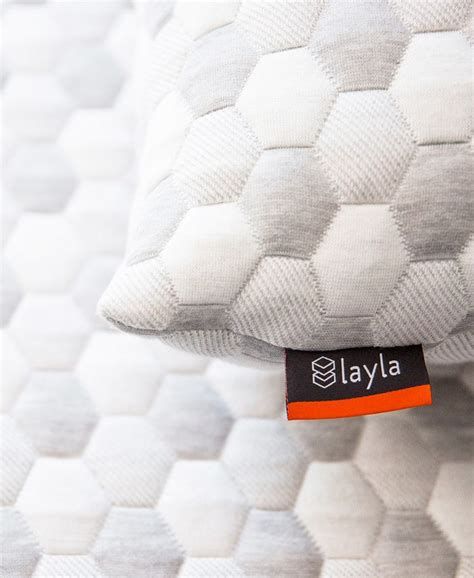
The Layla Kapok Pillow is a bedding product that uses kapok fiber—an ultra-light, naturally buoyant plant fiber—combined with supportive cuing to create a pillow that aims to balance loft and responsiveness. Kapok is prized for being soft, lofty, and breathable; it is often used as an alternative to down or synthetic fills.
Design and materials
Layla's version typically blends kapok with a supportive inner core or shredded fill to give the pillow a mix of plushness and structure. Covers are usually breathable and removable for washing. The pillow may be offered in different lofts or with an adjustable inner chamber so users can tune height and firmness.
Shop the latest Electronics picks on Amazon.
Browse Now →Sleep performance and comfort
Kapok's light, airy nature helps with breathability; sleepers who run warm often report that kapok pillows feel cooler than dense memory foam. The pillow’s compressibility makes it a candidate for side and back sleepers who need a balance of fill to cradle the head while keeping the neck aligned. For stomach sleepers, a low-loft configuration or removing some fill is commonly recommended to avoid neck extension.
Real-world use cases
- Side sleepers who need medium-high loft and adaptive support.
- People who overheat at night and want breathable, natural fill.
- Users looking for a down-like feel without animal down.
- Travelers who prefer a compressible pillow for packing, provided the pillow compresses well.
Pros & Cons
- Pros:
- Kapok feels soft and lofty while remaining breathable.
- Often adjustable—users can remove or add fill to tune loft.
- Natural material appeals to those avoiding synthetic foams or animal down.
- Typically lightweight, making shifting and fluffing easy.
- Cons:
- Kapok compresses over time and may require frequent fluffing to maintain loft.
- Not ideal for those who want very firm, contouring support (like dense memory foam offers).
- Allergy-sensitive users should check for natural material treatments and certifications.
- Durability varies—some users report faster settling than with higher-density fills.
At-a-glance comparison
| Attribute | Split Fiction Switch 2 | Layla Kapok Pillow |
|---|---|---|
| Category | Ergonomic split keyboard (electronics) | Bedding accessory (natural-fill pillow) |
| Main benefit | Improved typing posture and productivity | Breathable, down-like sleep comfort |
| Best for | Heavy typists, programmers, ergonomics-minded users | Back and side sleepers, those who sleep hot |
| Adjustability | High (key remaps, tenting, physical placement) | Medium (fill adjustability, loft choices) |
| Learning curve | Significant for layout change | Minimal—adjust to feel over 1–2 nights |
| Maintenance | Low (cleaning keycaps, firmware updates) | Medium (fluffing, occasional washing of cover) |
| Longevity | High if well cared for; mechanical switches last years | Varies—natural fills tend to compress faster than dense foams |
| Typical buyer concern | Adaptation time and desk compatibility | Retention of loft and allergy safety |
Buying guide — which one should a reader choose?
Deciding between an ergonomic keyboard and a pillow is ultimately a question of which part of life the buyer most wants to improve right now. Below are decision points and practical guidance that reflect what buyers typically care about.
1. Prioritize immediate pain vs. nightly recovery
If daytime neck, shoulder, or wrist pain is ongoing and clearly tied to long hours at a keyboard, investing in an ergonomic input device (like the Split Fiction Switch 2) can pay dividends quickly by changing posture and reducing strain during work hours. If the primary issue is waking up stiff, unrefreshed, or hot at night, the pillow is the place to start—better sleep quality cascades to daytime energy and pain perception.
2. Consider the learning curve and behavior change
Ergonomic keyboards require a behavioral investment. The Switch 2 may disrupt typing speed initially…3. Longevity and maintenance expectations
Mechanical keyboards are long-lived hardware items but need firmware care, occasional keycap cleaning, and attention to connectivity. Natural-fill pillows require fluffing and may compress over months to years depending on usage—buyers who dislike upkeep should evaluate recovery instructions and warranty policies.
4. Allergies and materials
Buyers with allergies should verify certifications and treatment methods. Kapok is plant-based, which may be preferable to animal down but still susceptible to dust mites; removable washable covers and material certifications matter. For electronics, buyers should check for hypoallergenic keycap materials if skin sensitivity is a concern.
5. Workspace vs. sleep environment budgets
Budgets influence choices. Ergonomic peripherals tend to have a higher single-item cost but deliver daily productivity gains for work. Pillows are a smaller-ticket item but affect a third of daily life (sleep). Buyers should weigh immediate price against frequency of use and the scale of expected benefits.
Find top-rated Electronics products at great prices.
Shop Amazon →6. Try before you commit if possible
For both categories, trying the item—whether via a retailer demo for keyboards or a trial period for pillows—reduces buyer’s remorse. Where demos aren’t possible, look for flexible return policies or a clear warranty. For a keyboard, test typing comfort in-store and check layout compatibility with the user’s operating system. For a pillow, a trial that allows a few weeks of use is ideal because sleep adaptation takes time.
Practical tips for setting up each product
Setting up the Split Fiction Switch 2
- Start with the halves shoulder-width apart and wrists in a neutral position; adjust tenting gradually.
- Begin with a conservative layout mapping—only remap essentials first to lower the learning curve.
- Use typing trainers or deliberate practice sessions for 10–15 minutes daily to restore speed while maintaining accuracy.
- Consider a wrist rest to maintain a neutral wrist posture and reduce tremor—test with and without to find personal comfort.
Setting up the Layla Kapok Pillow
- Follow the manufacturer’s initial fluffing instructions; kapok often benefits from vigorous shaking to restore loft.
- Adjust fill to suit sleep position: more for side sleepers, less for stomach sleepers.
- Use a breathable pillow protector and wash the outer cover periodically to control allergens and oils.
- Rotate and re-fluff weekly for the first month to accelerate even settling and gauge if the loft is right.
Common buyer questions — short answers
Will the Switch 2 fix my wrist pain?
It can help if wrist pain is caused by awkward hand angles or reach. A split layout reduces ulnar deviation and shoulder tension for many users, but it is not a guaranteed cure. Pairing an ergonomic keyboard with breaks, stretches, and proper chair/desk setup yields the best results.
Will the Layla Kapok Pillow stop night sweats?
Kapok is more breathable than dense foams, so it can reduce heat retention for some sleepers. If night sweats have medical causes, consult a healthcare professional. For general overheating, choosing breathable bedding and a cooler room temperature in addition to a breathable pillow helps most.

How long before I see benefits from each?
Keyboard benefits (reduced daytime strain, improved posture) may be noticeable within days to weeks as muscle usage changes. Pillow benefits (better sleep comfort, less morning stiffness) often take a few nights to a couple of weeks as the body adapts to new support and as the pillow achieves its settled shape.
Conclusion
Choosing between the Split Fiction Switch 2 and the Layla Kapok Pillow depends on where a person needs improvement: daytime productivity and posture or nightly comfort and sleep quality. The Switch 2 can transform typing posture and workflow for heavy keyboard users but requires time and patience to adapt. The Layla Kapok Pillow offers a breathable, down-like alternative that is easy to integrate into a sleep routine but needs periodic fluffing and attention to loft over time.
For readers facing chronic work-related discomfort, investing in an ergonomic keyboard is a practical first step; for those whose mornings feel worse than their workdays, prioritizing sleep accessories like a kapok pillow may offer more immediate returns. In many households the correct answer is not exclusive: both improved daytime ergonomics and better sleep surfaces compound to produce meaningful gains in comfort and wellbeing. Ultimately, an informed purchase—grounded in trial when possible and attentive to personal needs—will deliver the best outcome.