Sony Xperia 1 Vii vs Nothing Phone 3: Which Should You Buy?
I've been carrying both the Sony Xperia 1 Vii and the Nothing Phone 3 as my daily drivers for several months, switching between them depending on what I planned to do that day. I bought them with my own money, used them for work, travel, photo experiments, gaming sessions, and the usual social/media scrolls, and what follows is my honest, hands-on account of how each phone behaved in real life.
Introduction — why I tested both
I wanted to compare two very different philosophies in modern phones. The Xperia 1 Vii is Sony's premium, media-first approach — a very tall display, deep camera controls and a conservative, almost professional design. The Nothing Phone 3 represents a more playful, design-forward approach with an emphasis on software personality and everyday ease-of-use. I hoped to see whether Sony's more traditional flagship DNA beats Nothing's fresh take when you actually use these phones for months, not just in a one-hour review.
First impressions and daily feel
Right out of the box, the Xperia feels like a serious tool. It's long, narrow and substantial — you notice it in the pocket. The build quality is dense and reassuring, and it has that understated matte finish that resists attention. In my experience, this made it feel premium and durable, but also a little awkward for one-handed use. I had to be deliberate when reaching the top corners.
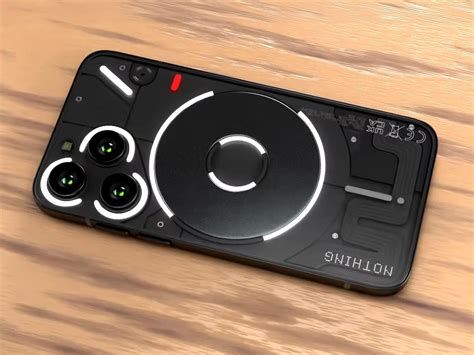
The Nothing Phone 3, on the other hand, still turns heads. The slightly transparent back and the Glyph-inspired accent elements give it character. I appreciated how light and balanced it felt in the hand, and the rounded edges made long texting sessions more comfortable. That personality does come with a downside: the glossy surfaces attract fingerprints and I found myself wiping it down more often.
Display and multimedia
For watching films, the Xperia is my go-to. The unusually tall aspect ratio felt tailor-made for cinematic content; when I streamed movies, I was often impressed by the way the frame felt more expansive vertically. Colors are accurate and skin tones feel natural — in my experience, Sony's tuning leans toward faithful reproduction rather than the oversaturated “pop” many phones push. If you're someone who edits video on the phone or wants a very neutral display for grading footage, the Xperia's display is a big positive.
The Nothing Phone 3 delivers a vibrant, pleasant panel that's more immediately satisfying for social media, gaming, and bright daytime use. Contrast and punch make Instagram photos and games look lively. I preferred it for outdoor reading and quick video clips because it felt brighter and easier to glance at in sunlight.
Cameras — real-world shooting
I used both phones for travel photography across cities and a couple of weekend hikes. What I found was that each phone has a distinct photographic personality.
The Xperia is oriented toward control and consistency. I liked using the manual and pro modes when I needed them: the raw tools, focus peaking and precise exposure sliders helped me capture intentional shots. In daylight, the Xperia delivered photos with restrained colors and a lot of detail in highlights. If you like to tweak images afterwards, the Xperia's output is forgiving and useful. Video is also a strong suit — stabilization felt reliable in handheld clips and the cinema-oriented tools are genuinely useful for creatives who can spend a few extra minutes setting shots up.
Discover deals on Mobile Phones — updated daily.
Browse Now →
The Nothing Phone 3 made photography easy and fun. Its automatic processing tends to boost color and contrast, which meant I got share-ready photos without having to edit. Portrait shots were pleasant for casual use, with convincing subject separation. Low-light performance was decent — not class-leading, but good enough for late-night restaurant photos. The trade-off here is that the Nothing's images sometimes look a bit "processed" for my taste; if you're after natural color and maximum editing headroom, the Xperia nudges ahead.
Battery life and charging
After testing both over months, I noticed distinct patterns. The Nothing Phone 3 delivered reliably strong full-day battery life on my mixed use days — messaging, maps, 30 minutes of streaming, and some photos — I usually had 20–30% left when I went to bed. The Xperia often needed a top-up in the late afternoon on busier days. That said, when I deliberately used the Xperia for streaming or taking lots of photos it lasted reasonably well; the difference seemed to come down to how the Xperia's taller display and its higher fidelity settings consume power.
Charging behavior: Nothing's charging was snappy in my use and felt like a quicker top-up during a coffee break. The Xperia charged acceptably but not blisteringly fast; I did notice it took a bit longer to hit a full charge compared to the Nothing in day-to-day top-ups.
Performance and thermals
Both phones felt smooth for everyday tasks: switching apps, scrolling, and browsing were fluid. In heavier use — long gaming s…Software and ecosystem
One thing I appreciated about both phones was that neither tried to bury me in bloat. The Xperia runs Sony's experience on top of a close-to-stock foundation, but with useful extras targeted at media pros — pro photo apps, finer audio settings and extra video tools. The Nothing Phone 3 leans into personality: quirky UI touches, very clean core apps and a few well-implemented extras that make everyday use pleasant.
In my experience, updates have been regular enough on both devices to feel reassured, though Nothing's cadence felt more frequent and conversational — small UI refinements arrived more often. Sony's updates felt a bit more measured and focused on stability after major releases.
Audio and haptics
The Xperia delivered excellent audio for me. Stereo playback felt wide and balanced, and media sounded more natural for movies. Headphone output was good too if you use wired or high-quality wireless cans; Sony's tuning favors neutrality rather than excitement.
The Nothing Phone 3 had lively speakers and good separation for the price; the punch is enjoyable for music and games. Haptics on Nothing felt satisfying and immediate during typing and notifications. Xperia's haptics were more subtle and refined, which I liked for long use but some people might prefer the firmer feedback on the Nothing.
Looking for the best Mobile Phones deals on Amazon?
See Deals →Durability and everyday nuisances
Both phones survived drops in my pockets and a few accidental knocks over months; I didn't perform any abuse tests, but normal commuting life didn't faze either. The Xperia's matte surfaces hide smudges and feel slightly grippier; the Nothing needs a case if you worry about fingerprints more than style. One thing that bothered me about the Nothing's design elements was the brightness of notification accents at night — they can be a little intrusive in a dark room if you don't adjust them.
Pros & cons
Sony Xperia 1 Vii — Pros
- Excellent media display: Tall, accurate panel that feels cinematic for movies and precise for editing.
- Professional camera tools: Robust manual controls and video options that reward time and intention.
- Balanced audio: Natural-sounding speakers and good headphone output for listeners who prefer neutrality.
- Solid build quality: Feels like a premium device that can be relied on.
Sony Xperia 1 Vii — Cons
- Awkward one-handed use: Very tall form factor requires two hands at times.
- Battery life: Needs a top-up on heavy days more often than the Nothing.
- Complex camera app for casual shooters: The pro tools are great, but the automatic experience can feel less immediate.
Nothing Phone 3 — Pros
- Playful design and personality: Distinctive look and UI that I enjoyed using daily.
- Comfortable one-handed feel: Light, balanced and easy to handle for long sessions.
- Great everyday camera processing: Gets share-ready photos quickly without manual fiddling.
- Reliable battery life: Lasted me comfortably through most full days.
Nothing Phone 3 — Cons
- Fingerprint magnet: The glossy, personality-led finish catches smudges.
- Glyph/notification brightness: Accent lighting can be too attention-grabbing in low light.
- Less natural camera output for editing: Heavier processing means less headroom for professional edits.
Quick comparison table
| Category | Sony Xperia 1 Vii | Nothing Phone 3 |
|---|---|---|
| Design | Tall, understated, grippy finish — feels like a professional tool | Distinctive, transparent-inspired look — light and pocket-friendly |
| Display | Cinematic, color-accurate, great for video editing and movies | Vibrant and bright, very pleasant for social and casual viewing |
| Cameras | Pro-minded controls and natural output; excellent for creators | Friendly automatic processing; great for quick social photos |
| Battery & Charging | Good, but often needs a late-afternoon top-up with heavy use | Sturdier all-day battery in my daily routine; faster top-ups felt snappier |
| Performance | Smooth and stable for long sessions; conservative thermal handling | Peppy in short bursts, warms faster under sustained load |
| Software | Near-stock with media-focused extras and professional apps | Playful, clean OS with personality and frequent refinements |
| Unique strengths | Media creation tools, neutral tuning, cinema-first experience | Design personality, ease-of-use, polished everyday camera output |
Buying guide — who should pick which phone?
After several months using both, here's how I think about choosing between them depending on what matters to you.
Choose the Sony Xperia 1 Vii if...
- You prioritize content creation: If you shoot video or edit on your phone, or want finer manual control over photos, the Xperia rewards that time and attention.
- You watch movies on your phone often: The tall, accurate display makes films more immersive and is a genuine pleasure for long viewing sessions.
- You prefer a subdued, durable aesthetic: If you want a phone that feels professional and understated rather than flashy.
Choose the Nothing Phone 3 if...
- You want a phone that's fun and different: If design and personality matter, the Nothing stands out without trying too hard.
- You value battery life and daily convenience: For most of my days the Nothing lasted with juice to spare and charged up quickly.
- You want great photos without editing: If you prefer a phone that gets you share-ready images straight out of the camera.
A few practical considerations
- Case and pocketability: If you dislike slippery phones, the Xperia's finish will be a relief. If you want something lightweight, the Nothing is easier.
- Accessory ecosystem: If you use a lot of pro-level accessories and want connectivity for capture rigs, consider how each brand integrates with tools you already own.
- Longevity and updates: Both companies have been better about updates than a few years ago, but check current promises and local carrier support when you buy.
Final thoughts — my conclusion after months of use
Both phones earned their time in my pocket for different reasons. The Sony Xperia 1 Vii felt like a dependable creator's tool: quiet, serious, and excellent when you want control and fidelity. When I used it for video or careful photography, I appreciated the professional features and neutral output. The trade-off was that it can feel heavy-handed for casual use — battery life and one-handed ergonomics sometimes held me back on busy days.
The Nothing Phone 3, by contrast, was the more relaxed, sociable companion. It made everyday tasks pleasant and was the phone I reached for when I wanted quick photos, reliable battery life and a device that looked a bit different. The Nothing's design and software quirks added personality to mundane moments, though it occasionally felt less refined for serious photo editing or prolonged media creation.
If I had to summarize my personal recommendation: for a creative professional or someone who consumes and creates a lot of high-fidelity media on a phone, the Xperia is the better fit. For a user who wants an enjoyable, well-rounded daily driver with style and solid battery life, the Nothing Phone 3 is the one I'd suggest.
In my experience, both are great phones — they just solve slightly different problems. Which one you should buy depends on whether you value cinematic control and neutrality (Xperia) or personality and everyday convenience (Nothing). After months of alternating between them, I kept both because each served a role: one for deliberate creation, the other for carefree living.